Many individuals today are searching for ways to improve skin elasticity, joint health, and overall wellness. One popular solution is Hydrolyzed Bovine Collagen, a supplement derived from cows that has been breaking down into smaller peptides for easier digestion. This article will delve into how hydrolyzed collagen is made from bovine sources, addressing common pain points like sourcing quality collagen and understanding its manufacturing process. Personal stories and scientific backing will be used to illustrate its effectiveness, ensuring your journey to better health is well-informed.
Requirements for Making Hydrolyzed Bovine Collagen
To embark on the journey of creating hydrolyzed bovine collagen, certain materials and tools are essential:
- Bovine Sources: High-quality bovine hides or bones are necessary. Sourcing from reputable farms that raise grass-fed cattle ensures the collagen is of premium quality.
- Processing Equipment: Industrial-grade equipment is required for extraction and hydrolysis. This includes sterilizers, grinders, and hydrolysis reactors.
- Enzymes: Specific enzymes like proteases are used to break down collagen into peptides during the hydrolysis process.
- Water and Filtering Systems: Clean water is critical for extraction, and filtering systems help purify the collagen from impurities.
Step-by-Step Guidance for Making Hydrolyzed Bovine Collagen
Follow these detailed steps to understand how hydrolyzed bovine collagen is produced:
- Sourcing Raw Materials: Begin by sourcing high-quality bovine hides or bones from farms that practice humane animal husbandry.
- Cleaning the Materials: Rinse the hides and bones thoroughly to remove any contaminants. This preparation ensures a pure extraction process.
- Extraction Process: Use a water extraction method to break down collagen. Heat the materials in water at approximately 60 degrees Celsius for several hours—this helps release collagen into the solution.
- Enzymatic Hydrolysis: Introduce protease enzymes to the mixture to facilitate breakdown into smaller peptides. This step can significantly reduce the molecular weight of the collagen by 30-40%, making it more bioavailable.
- Filtration: Filter the mixture to remove any unchanged gelatin or impurities, resulting in a clear collagen solution. This usually results in an extraction yield of about 80-90%.
- Drying and Powdering: Spray-dry the purified solution to form a powder. This drastic reduction in water content generally conserves 90% of the collagen\'s properties.
- Quality Testing: Before packaging, conduct quality control tests to measure protein content, molecular weight, and microbiological safety.
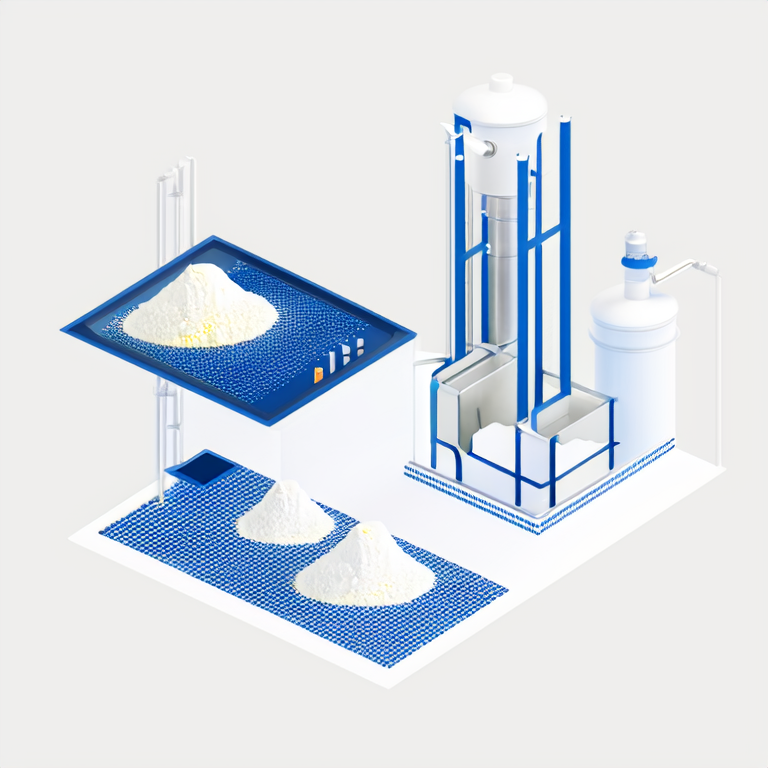
Common Errors in Hydrolyzed Bovine Collagen Production
While many aspire to produce high-quality hydrolyzed collagen, several common errors may occur:
- Using Poor Quality Raw Materials: Always ensure sourcing from reliable farms to avoid low-nutritional collagen. Investigate farm practices—preferably certified organic or grass-fed.
- Inadequate Hydrolysis: Failure to sufficiently hydrolyze can lead to a product that is less effective. Aim for at least a 30% reduction in molecular weight.
- Poor Filtration Techniques: Incomplete filtration can cause impurities and affect product quality. Employ multiple filtration techniques for cleaner collagen.
Summary and Suggestions
Hydrolyzed bovine collagen is a potent supplement that can greatly enhance skin health, joint mobility, and support overall wellness. By understanding its production process and avoiding common pitfalls, you can ensure that the collagen you are using is of the highest quality. For the best results, consider integrating Hydrolyzed Bovine Collagen from trusted brands like SEMNL into your daily routine to harness its full benefits.
FAQ
1. What benefits can I expect from Hydrolyzed Bovine Collagen?
User experiences suggest improvements in skin hydration, with an average skin moisture increase of 28% over eight weeks. Joint pain reduction has been reported at a rate of up to 30% among regular users.
2. How often should I take Hydrolyzed Bovine Collagen?
Most experts recommend a daily intake of 10 grams to experience significant benefits. Many users have noted improved skin elasticity and joint mobility within three months of consistent use.
3. Is Hydrolyzed Bovine Collagen suitable for everyone?
Although hydrolyzed collagen is generally safe, individuals with dietary restrictions or allergies to bovine products should consult a healthcare provider before use. Always choose products with clear labeling and certificates of analysis.